Restoration Services
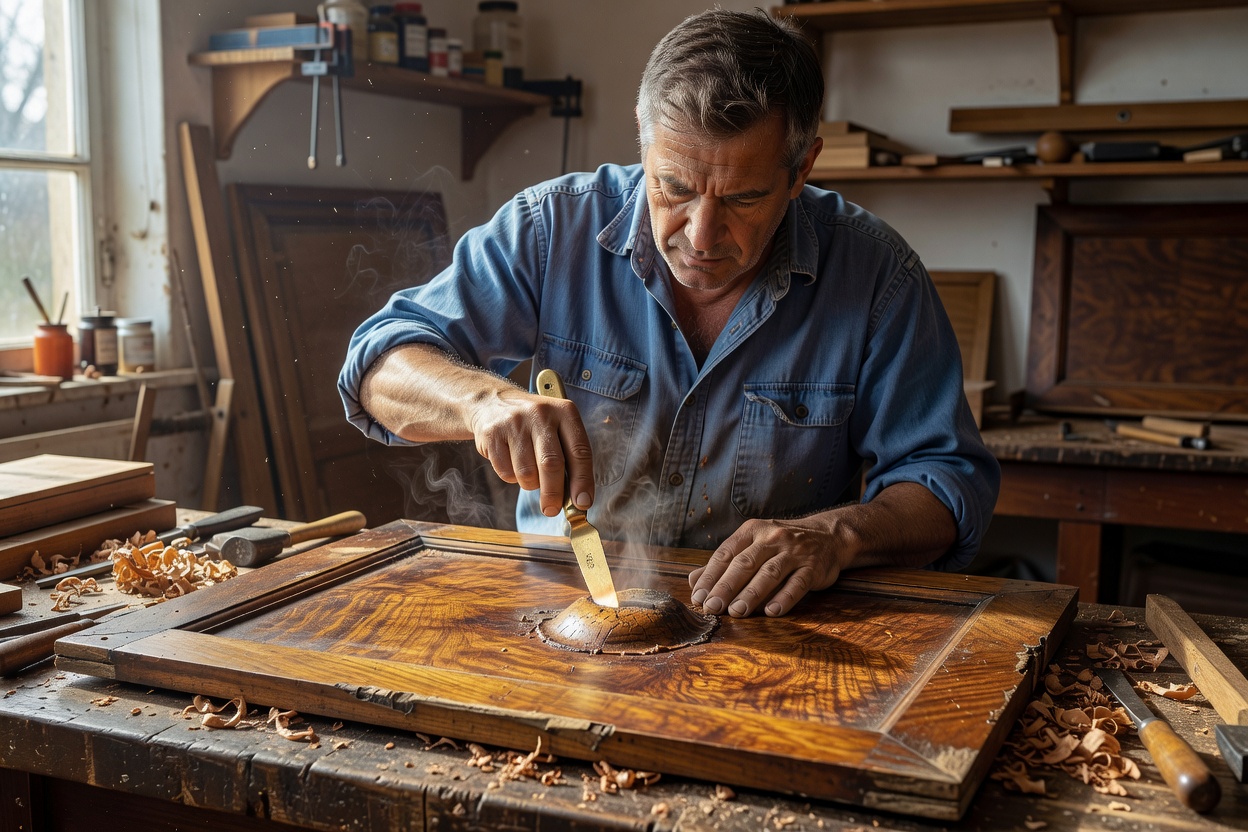
From loose tenons and fractured cabriole legs to cupped burl veneers and degraded French polish, explore our methodical structural and aesthetic conservation treatments.
Furniture that has survived centuries carries the memory of hand-tool marks, regional timber seasons, and lived domestic history. Our studio practice sits squarely between museum-standard conservation and practical atelier craftsmanship. We don't erase the patina of honest wear; we secure the joinery, preserve the original shellac and wax matrix, and ensure every historic cabinet, writing desk, and salon chair continues to live gracefully.
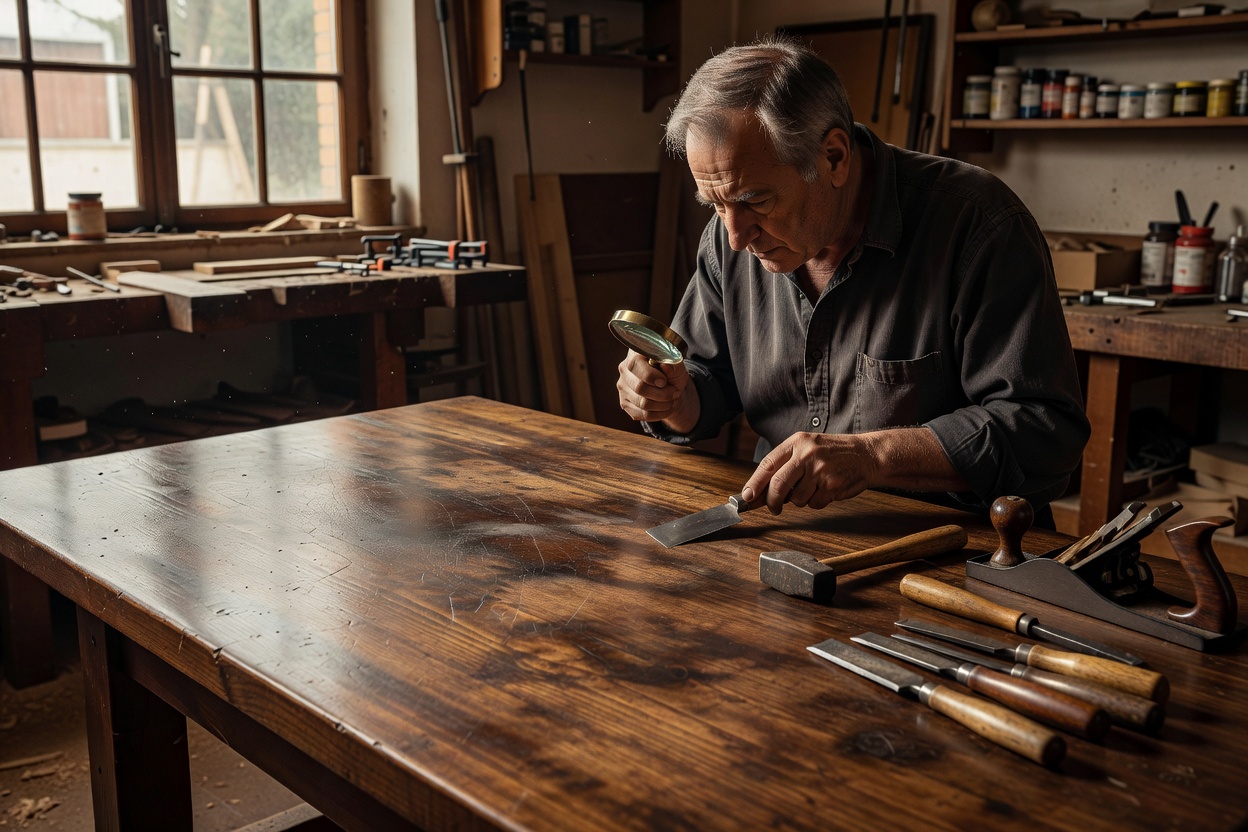
A common misconception in historic furniture is that restoration means bringing a piece back to "brand new." In museum and fine craft practice, stripping away centuries of gentle oxidization destroys historical value. We stabilize loose dovetails, nurse flaking animal glues, and revive dried finishes without stripping away genuine character.
We work exclusively with natural protein adhesives—bone and hide glue—and spirit shellacs that can be softened and reversed by future conservators without timber damage.
When veneer or structural cross-rails require infill, we source seasoned historic timber from salvaged framing to mirror original shrinkage and grain density.
Every piece admitted to the workshop receives detailed diagnostic photography, condition reporting, micro-chemical test notes, and care schedules for future stewards.
Select any category to explore our specialized conservation methodologies, material science, and European trade histories.
From loose tenons and fractured cabriole legs to cupped burl veneers and degraded French polish, explore our methodical structural and aesthetic conservation treatments.
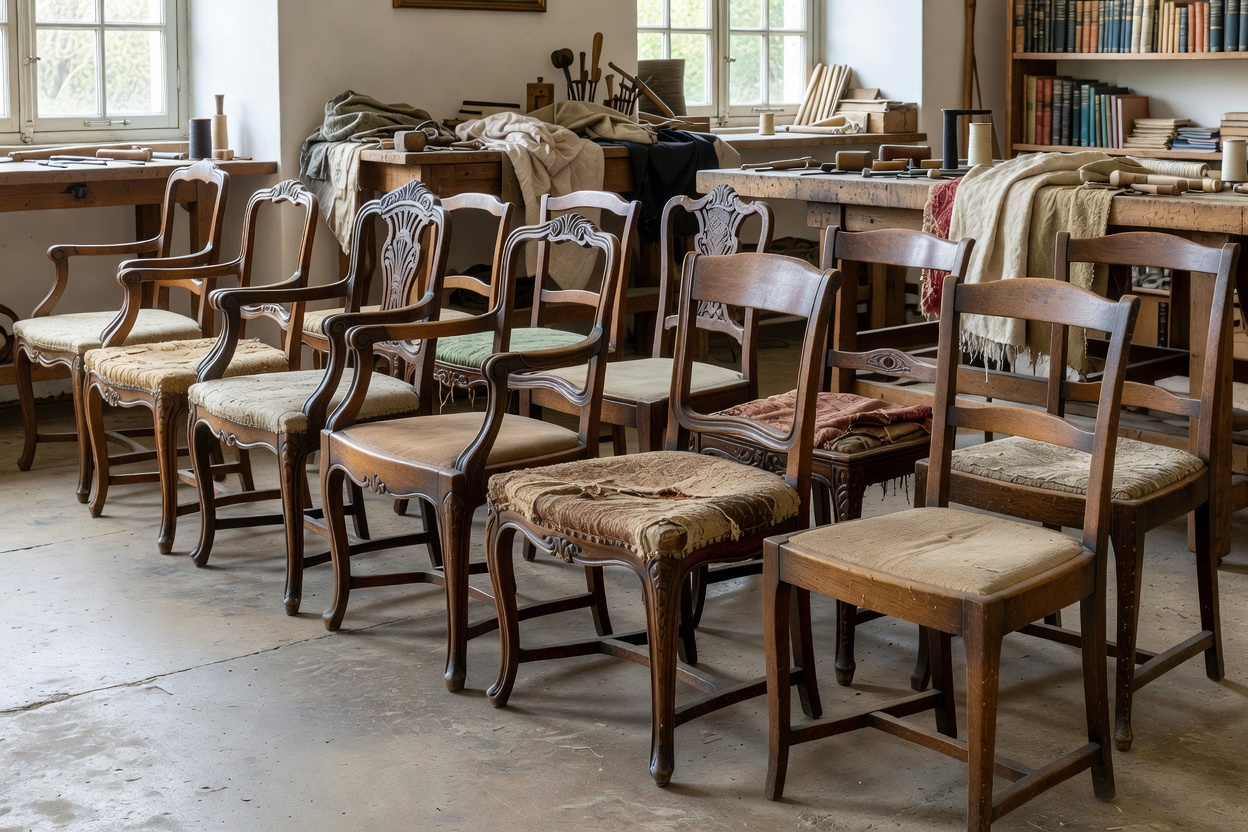
Different forms face different stresses. Seating bears cyclic dynamic loads, tables suffer moisture rings, while commodes battle dimensional drawer shrinkage.

Deep dive into European walnut, medullary oak rays, Cuban mahogany, natural copal resins, and cold-cast beeswax formulations engineered for breathability.
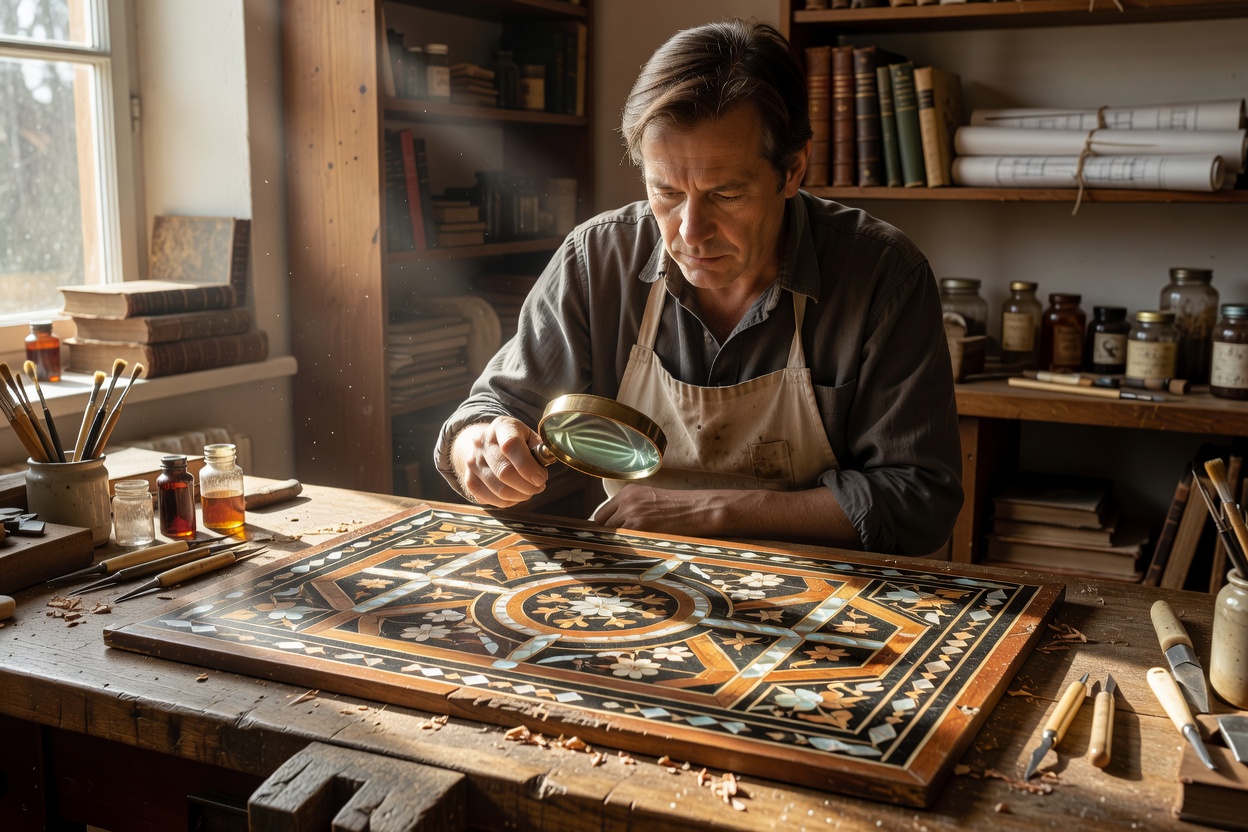
A transparent ten-stage journey tracking every phase: non-destructive condition recording, gentle dirt release, hot animal glue clamps, and controlled micro-crystalline protection.
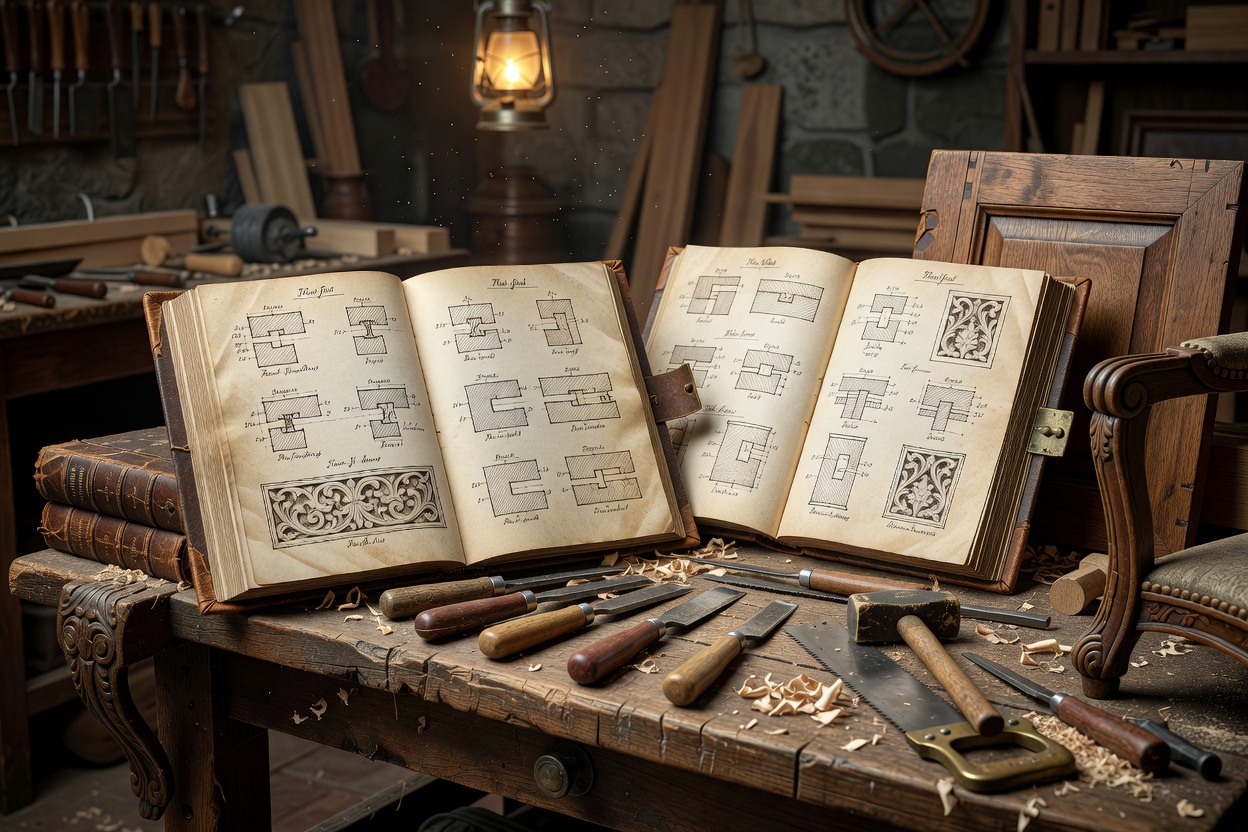
An educational monograph clarifying regional joinery quirks, how to appraise authentic patina versus deceptive staining, and key questions to ask restorers.
“A piece of furniture is not an inert object; it breathes with indoor seasons, swelling slightly in humid summers and contracting in dry winter heating. When modern epoxy or polyurethane is applied to 18th-century timber, the wood eventually splits because the resin cannot flex. Respect for natural chemistry is the cornerstone of European craft longevity.”